OLIVE OIL IN THE FRANCISCAN MELTING POT
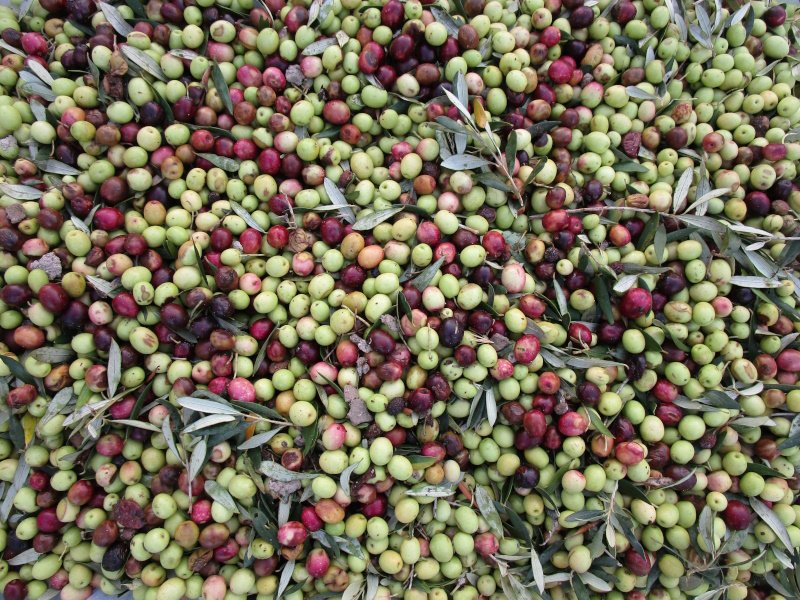
Between the hilltop friary of San Cristóbal and the River Grío, far below, lie the steep slopes of the Sierra de Algairen. You can walk down them following an old way, wide enough for a cart, dusty in summer, running between centuries-old Empeltre olive trees with gnarled trunks crowned by young branches. They blossom and fruit each year on the silvery-leaved fresh wood. Machinery helps with the modern harvesting, but in Altamiras’s day hand-picked fruit was carried down to the olive oil presses by horse or mule-drawn cart.
This oil flowed generously in Franciscan kitchens. The days when the friars ate meat were so few that animal and dairy fats were off the menu for three-quarters of the year. On these days – no lard, beef or chicken fat, or butter – Altamiras could turn to olive oil. He was lucky. The oil from the Grío’s villages, Morisco in origin, where the friars collected their food alms, was famed for its quality. Golden and mild, pressed soon after picking in clean almazaras, it kept well all year in earthenware tinajas. Chefs in search of a stable, sweet oil still often use golden Empeltre.
In search of good eating, Altamiras became an oil virtuoso. He passed on known recipes from medieval Catalan treatises briefly, assuming his readers knew the techniques involved: onion sofritos (or sofregits) as a base for stews and soups, to which he added his own flavours, and a spoonful of oil poured into simmering dried peas to soften them. But he had newer ideas, too, suggesting there was plenty of oil to hand: fish fried in recycled olive oil – a topic on which he writes passionately for several pages – plus fish and tomatoes preserved in oil, deep-fried stuffed eggs, rolled thin omelettes, and shallow-fried chard in a tempura-like batter.
Altamiras made no salad dressings, but he sauced hot spring greenery – cooked asparagus, green beans and spinach – with original sweet or spiced aromatised oils, each one flavoured differently. Were these recipes monastic? Perhaps, but Altamiras’s ingredients, flavours and aromatising technique suggest that inspiration came once more from Morisco villages.
Other new dishes came from further afield. Take his ajo, an early hybrid of Catalan garlic alioli (or aioli, or alioli bo) and French or Spanish egg mayonnaise (mayonesa). Warily, Altamiras emulsified the oil three ways simultaneously, with pounded garlic, raw egg yolks and a few soft breadcrumbs. He also specified that readers should pour in the oil from an “aceytera de pico”, a pouring jug with a narrow spout designed to give a fine stream, even drip-by-drip control of the oil. Today elegantly lidded aceiteras are found all round Spain, the basic design still dating back to the al-Andalusi alcuzas from which they evolved. Archaeological finds suggest these prototypes were generally made from unglazed clay, leaving the oil protected from the light and cool, while the fine pourer was a small hole pierced inside a bulbous beak.
Altamiras served his pungent ajo with braised foraged wild snails from the herby sierras, a favourite of the Moriscos and Gitanos. Perhaps, then, ajo – or alioli, or alioli bo, as it’s known elsewhere in Spain – did not originate in any one country, or region, or valley, but was made in various isolated rural areas where communities with different languages and faiths journeyed, shared food and kitchen implements. Indeed, perhaps this hidden diversity was an invisible ingredient of Altamiras’s melting pot.
❖ If you’d like to read this text in Español, just click on this link!
See also:
❖ Alioli
❖ Spinach in Raisin Oil with Pine Kernels
❖ Marinated Fried Green Asparagus, Eggs, Fried Breadcrumbs
❖ Fish or Shellfish Preserved in Olive Oil

The days when the friars ate meat were so few that animal and dairy fats were off the menu for three-quarters of the year. On these days Alltamiras turned to olive oil.”