
Lamb Tortillas
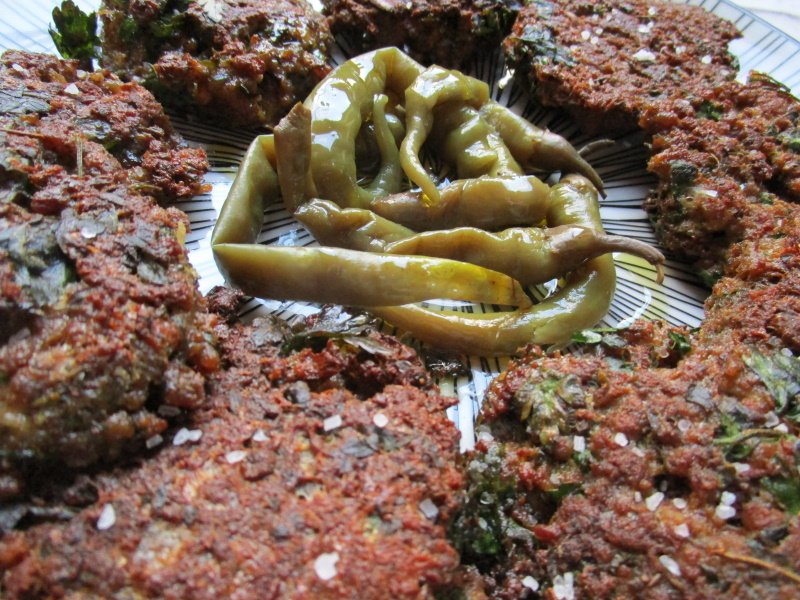
Galicia’s zorza omelettes, flavoured by chewy sausagemeat tinted red by pimentón, are Spain’s best known meat tortillas today, but Altamiras made his with gently cinnamoned lamb or mutton, braising the meat then mixing it with breadcrumbs, which sopped up loose meat fat and rounded up the volume.
Is the recipe a forerunner of the potato tortilla? Certainly it helps to reveal how and when it evolved. For a long time anecdotal theories explained its invention. The most popular praised a Navarrese home-cook who served up a tortilla de patatas to a general in an impromptu 1830s military field-kitchen. A second story, documented and written up in the 1990s, pushed back the time-line to 1798: then an enlightened reformer making potato and wheat frying-pan bread suggested the recipe.
But historian of medicine Fernando Serrano Larrayoz suggests that it was already being widely made. At a 1772 meeting of Barcelona’s board of commerce, one member had seen potatoes growing very widely in La Mancha where, he said, they were “used regularly in stews and omelettes”. He was talking just twenty-seven years after Altamiras published his two recipes for tortillas, this one filled with meat, the other with salt-fish, rather like today’s Basque salt-cod omelettes.
But we can go much further back in time. By the early 17th-century court chefs were filling omelettes with fresh white cheese, or with grated hard cheese, breadcrumbs, and onion, then frying them in lard, butter or olive oil in copper frying pans. Between these costly recipes and the humbler unwritten 18th-century potato tortilla, the cheaper cast-iron frying pan arrived in humble homes. It starts appearing in household inventories once growing supplies of olive oil allowed year-round frying. Infact, at that time, the potatoes may not have been fried: to save oil and money, the raw potatoes were often thinly sliced into the eggs, then poured together into a frying pan for slow-cooking over embers till the potatoes softened. At this stage, perhaps, the famous flipping was added to the method for even cooking.
The appealing idea of a brilliant moment of invention needs to be recast, then, as a slow agricultural, technological and culinary search for adapting court cookery to poor kitchens. Within such a perspective, Altamiras’s tortillas show the freedom of improvisation that provided stepping stones in a 150-year chain reaction.
❖ If you’d like to read this text in Español, just click on this link!
❖The Recipe at a Glance: Lamb Tortillas
A forerunner of today’s Spanish potato tortilla: make these small tortillas with beaten eggs spiced and mixed into pre-cooked hand-chopped lamb, hogget or mutton and breadcrumbs, then fried in soft lard.
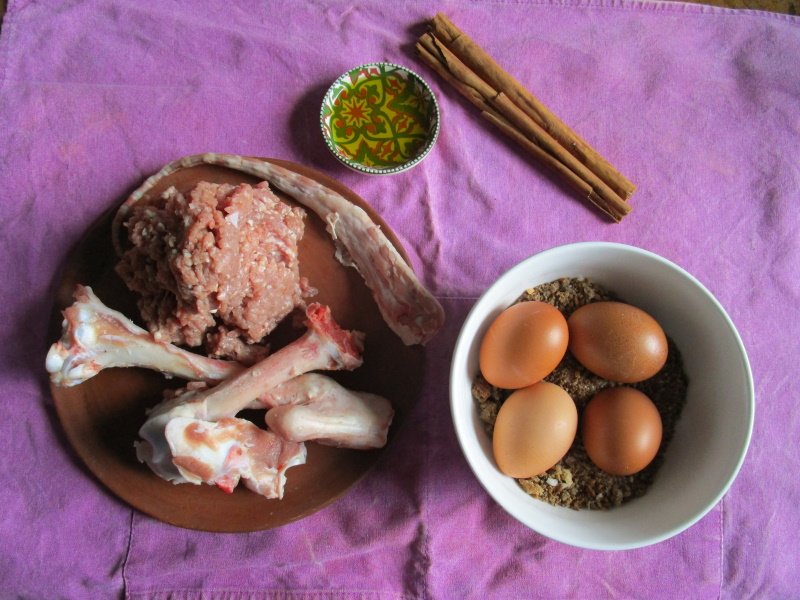
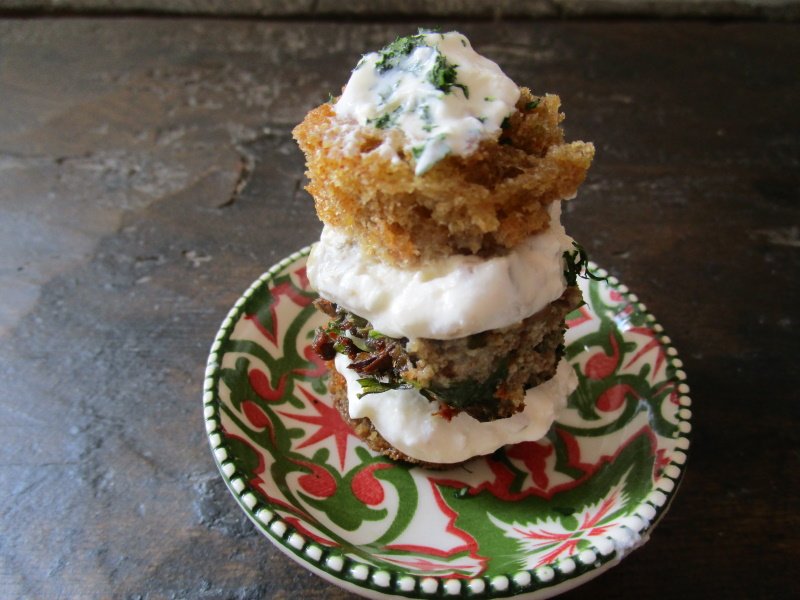
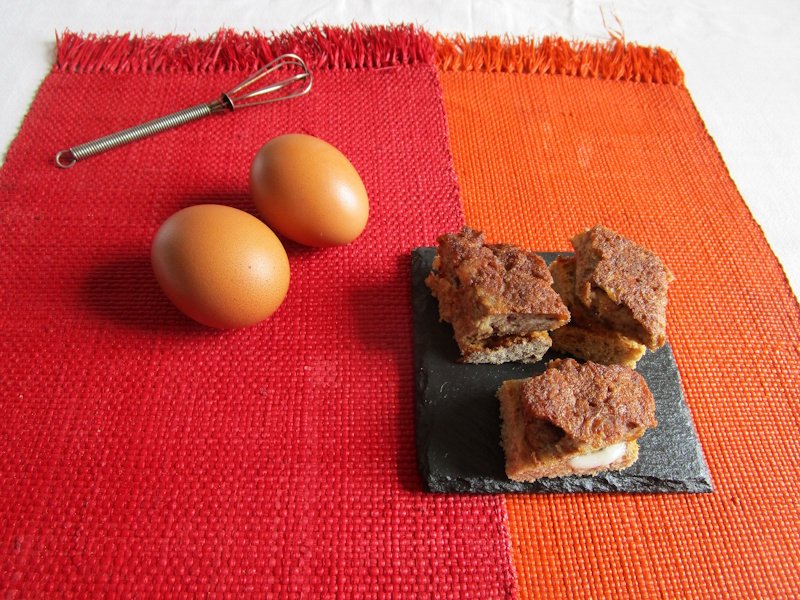
Improvisation with ingredients and equipment were key factors allowing Spanish court recipes to move sideways into humble kitchens and, from there, to cookery books.”